Why Server Rendering Still Matters for Modern JavaScript Frameworks
Server rendering is no longer just an SEO optimization.

In 2026, modern [JavaScript frameworks](http://JavaScript frameworks) are using SSR-related techniques to reduce JavaScript execution costs, improve performance, and optimize scalability.
The biggest trends include:
streaming SSR
partial hydration
server components
islands architecture
template serialization
compiler-assisted rendering
Front-end frameworks like React, Vue, Svelte, Solid, and Marko are all approaching this differently.
React is pushing server-driven rendering models. Vue balances hydration with optimized compilation. Svelte and Solid reduce runtime complexity through compiler-based output.
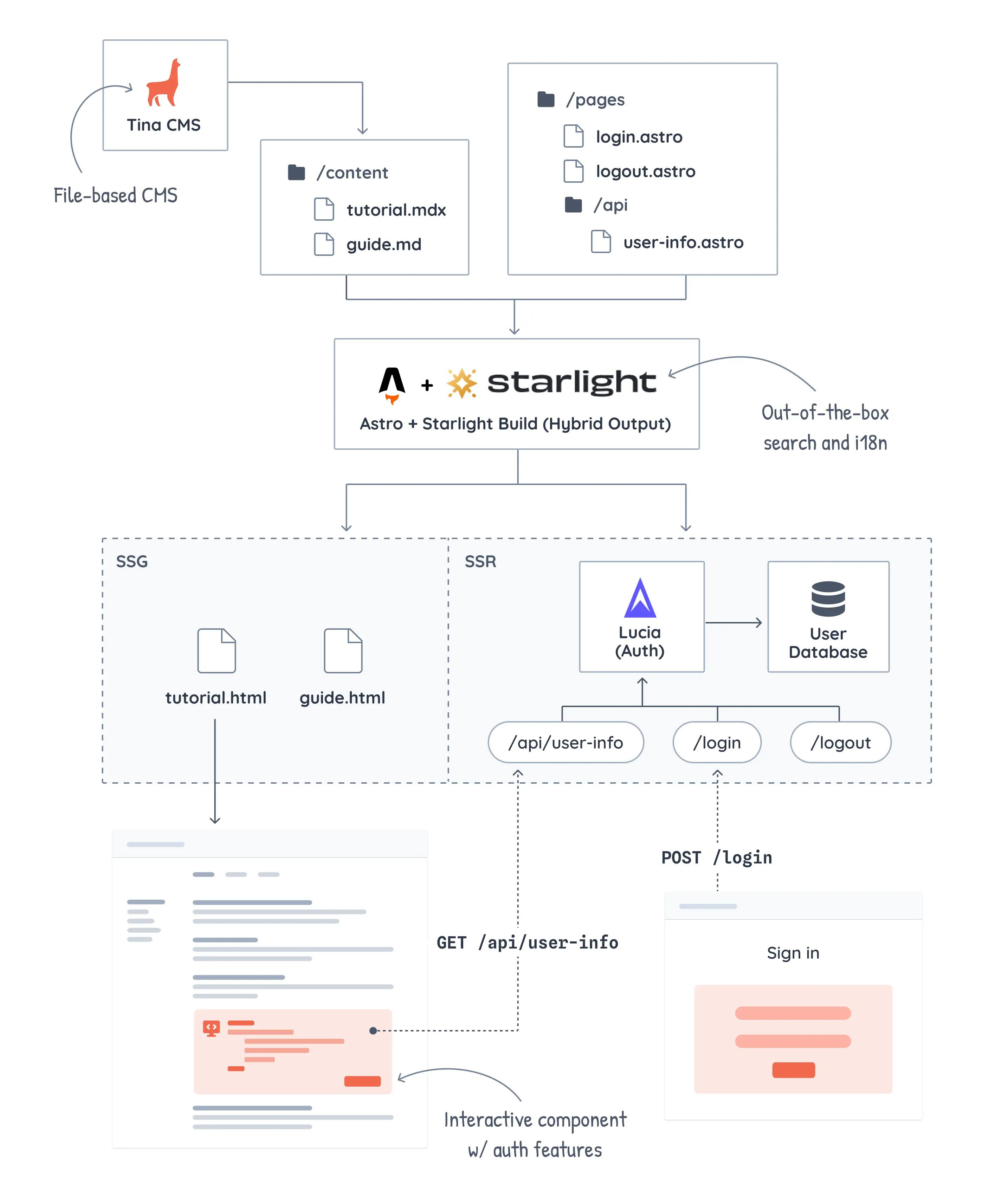
What’s becoming clear is that frontend architecture is shifting from “render everything on the client” toward smarter rendering boundaries.
However, performance is only one side of frontend engineering.
For enterprise-scale products, teams also prioritize:
maintainability
accessibility
advanced UI systems
predictable upgrades
large dataset rendering
integrated tooling
This is one reason Sencha Ext JS continues to remain relevant for enterprise development in 2026. While many modern frameworks focus on hydration experiments and runtime reduction, Ext JS emphasizes mature component ecosystems, enterprise-grade architecture, and stability for large applications.

The future of JavaScript frameworks likely isn’t about one framework replacing another.
It’s about combining rendering strategies intelligently depending on application scale and complexity.