Front-End Frameworks in 2026: The Real Battle
The front-end framework ecosystem in 2026 looks very different from a few years ago.
The conversation is no longer just about popularity.
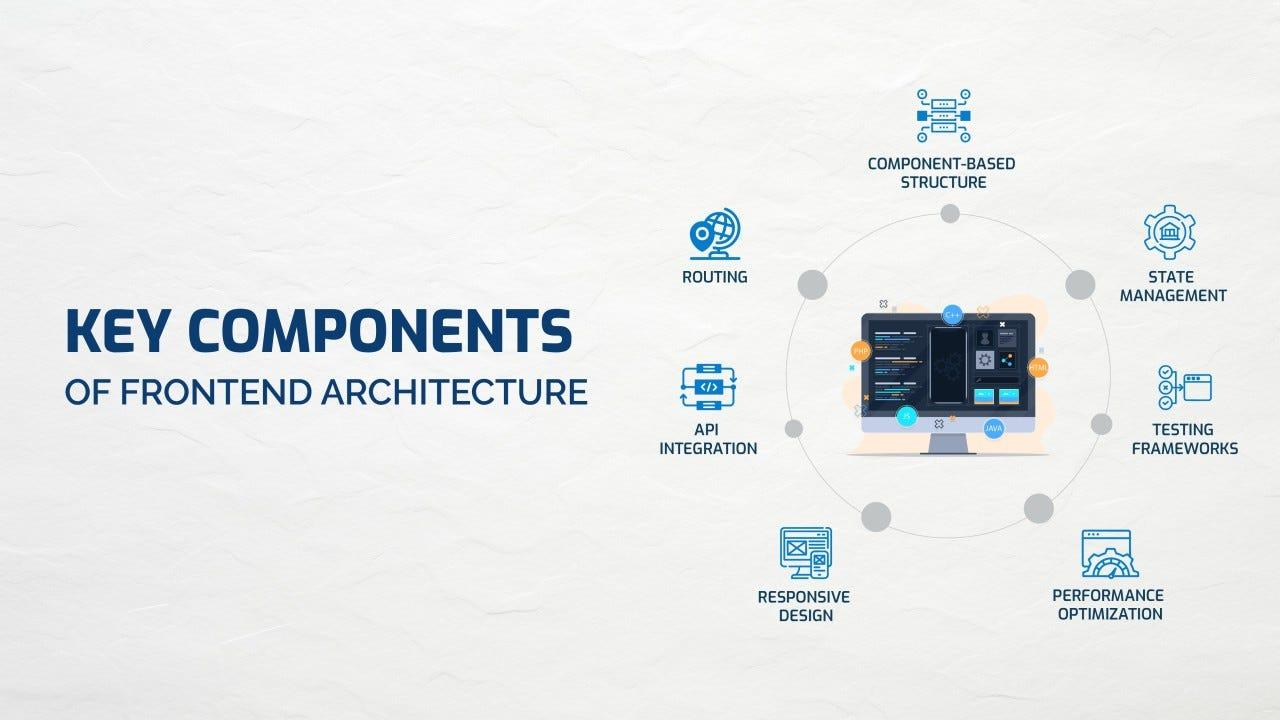
Teams are now evaluating frameworks based on:
scalability
rendering efficiency
AI-assisted development compatibility
enterprise maintainability
long-term architecture stability
React still dominates the ecosystem because of its flexibility, huge community, and expanding server rendering ecosystem.
Angular continues to remain highly relevant for Enterprise software developmentbecause of its structured architecture, TypeScript integration, and long-term maintainability.
Vue.js stays popular because of its approachable learning curve and balanced developer experience.
But modern frontend applications are becoming increasingly complex.
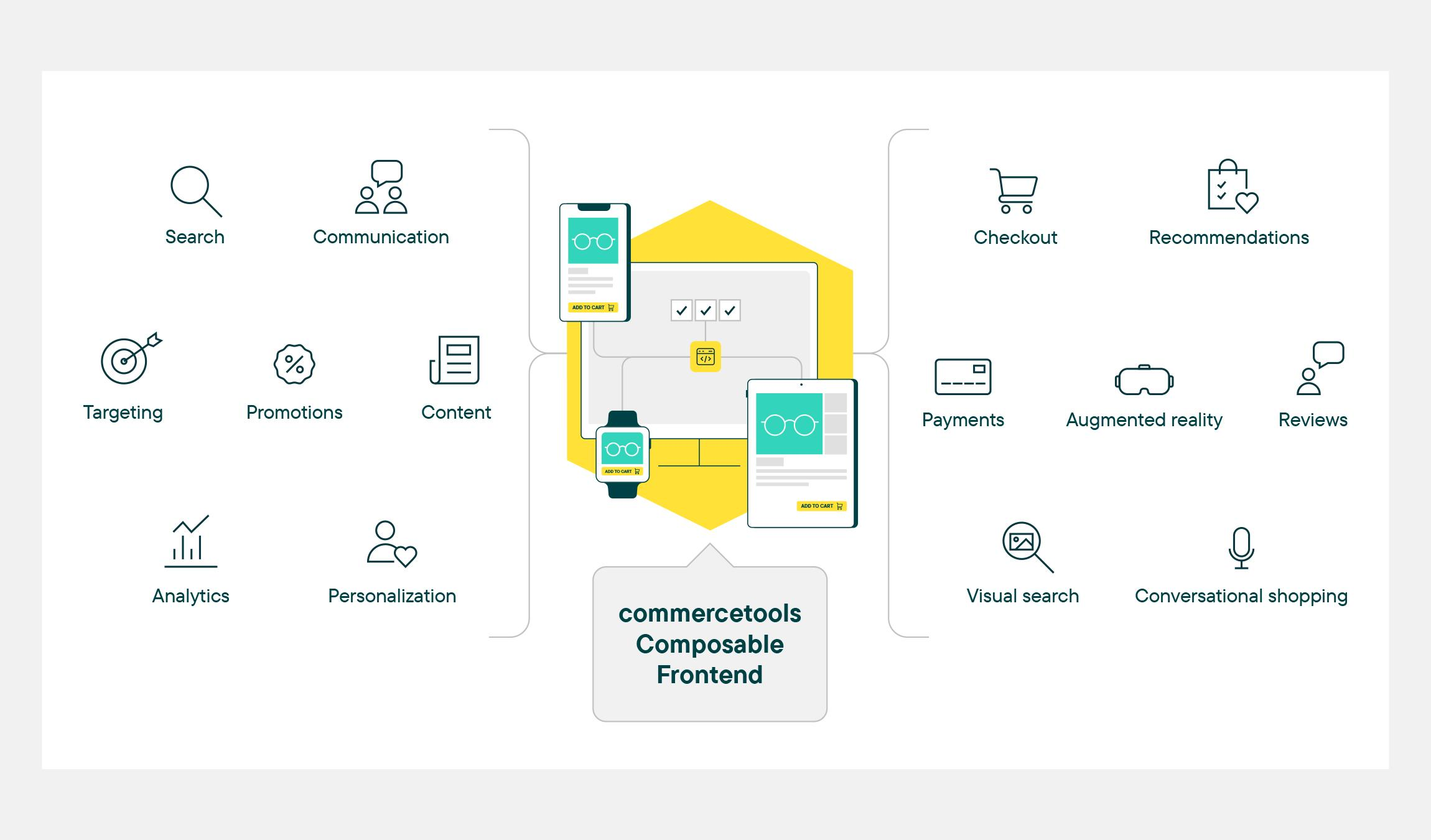
Today’s applications often include:
analytics dashboards
real-time interfaces
advanced data grids
enterprise workflows
reporting systems
collaborative UI systems
That complexity changes how organizations evaluate a front-end framework.
For enterprise environments especially, integrated tooling and scalable component systems matter significantly more now than simple benchmark numbers.
That’s one reason Sencha Ext JS still remains highly relevant in enterprise frontend development. Ext JS provides advanced enterprise UI components, virtualization, dashboards, grids, accessibility support, and optimized rendering systems designed specifically for large business applications.
In 2026, the best front-end framework is rarely the trendiest one.
It’s the framework your team can realistically scale, maintain, and evolve for the next decade.