Evaluating Web Application Frameworks in 2026: Beyond Popularity Metrics
Framework discussions often focus on GitHub stars, npm downloads, or developer surveys.
While useful, these metrics rarely reflect the factors that influence Web Application Frameworks selection in production environments.
Enterprise teams typically evaluate:
Scalability
Security
Component maturity
Accessibility
Performance
Long-term maintenance costs
With those considerations in mind, five frameworks consistently stand out in 2026.
React
Excellent ecosystem and flexibility.
Ideal for organizations prioritizing innovation and rapid iteration.
Angular
Provides a complete framework solution with strong architectural guidance.
Particularly effective for large development teams.
Vue
Balances developer experience with scalability.
A practical choice for organizations seeking simplicity without sacrificing capability.
Ext JS
Enterprise software presents unique challenges.
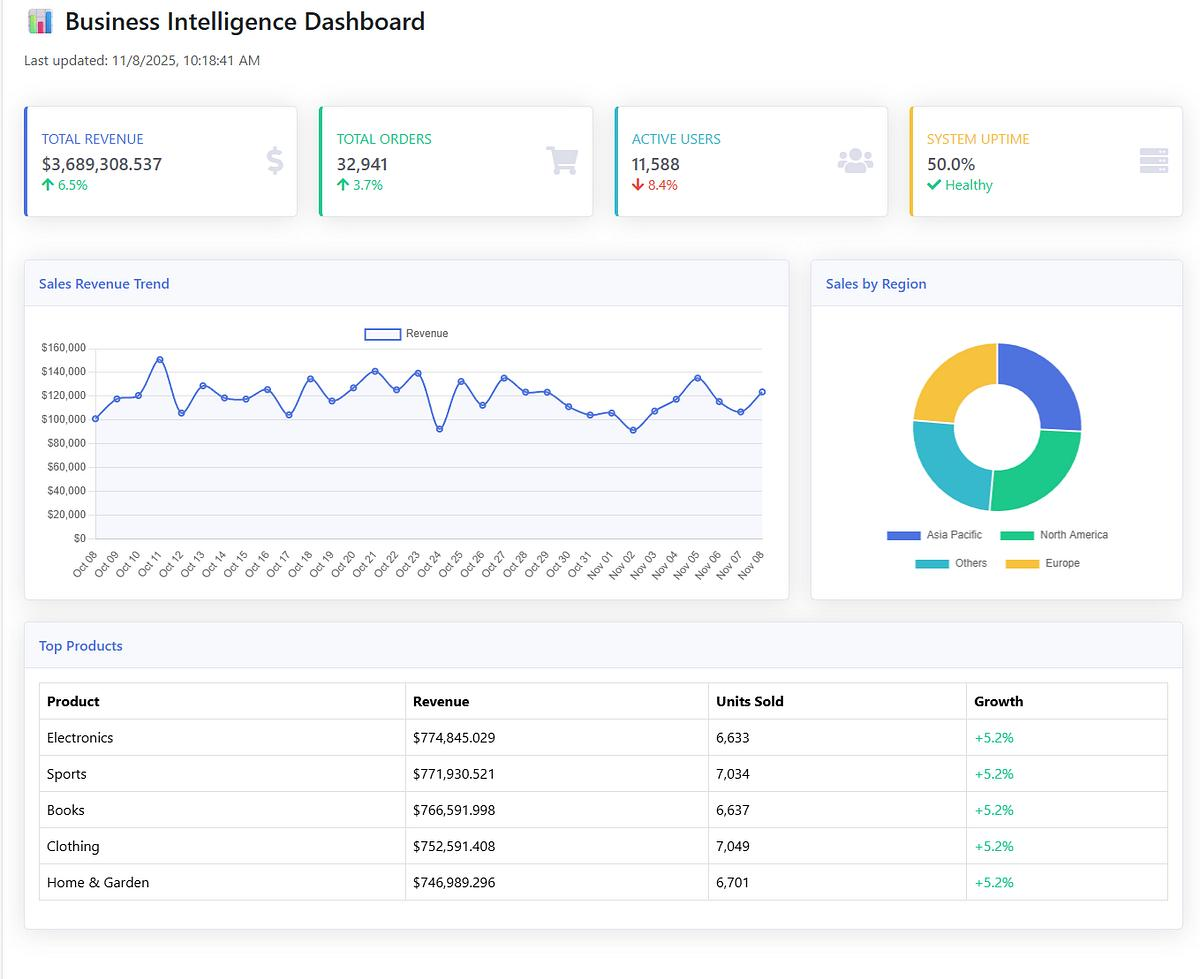
Complex data grids, reporting systems, analytics dashboards, and workflow-heavy applications often require extensive customization when using lightweight frameworks.
Ext JS addresses many of these challenges through its integrated component ecosystem and enterprise-oriented architecture.
For organizations developing large business applications, this can translate into faster delivery and reduced dependency management.
Svelte
A compelling option for teams prioritizing performance and modern development practices.
Its compile-time optimization approach continues to attract attention across the industry.

Conclusion
Framework selection should align with business objectives rather than market trends.
React, Angular, Vue, Svelte, and Ext JS each serve different needs.
Understanding those differences is ultimately more valuable than chasing the latest popularity rankings.